Measured Language
Specifications are written around pressure, flow, head, connection and material rather than broad sales labels.
About Watts
Watts is presented here as a disciplined industrial supplier for buyers who handle pressure reducing valves, check valves, relief valves, mixing valves, pipe fittings, circulation pumps and pump parts in the same workday. The company story is not built around a showroom image; it is built around the repeated moment when a maintenance planner has an urgent tag number, a purchasing manager has a lead-time target and an engineer needs proof that the replacement will match the duty. The page uses a narrative layout because the brand voice is precise but still human: fewer slogans, more useful handoffs, cleaner documentation and a practical respect for the people who keep water, heat and process utilities moving.
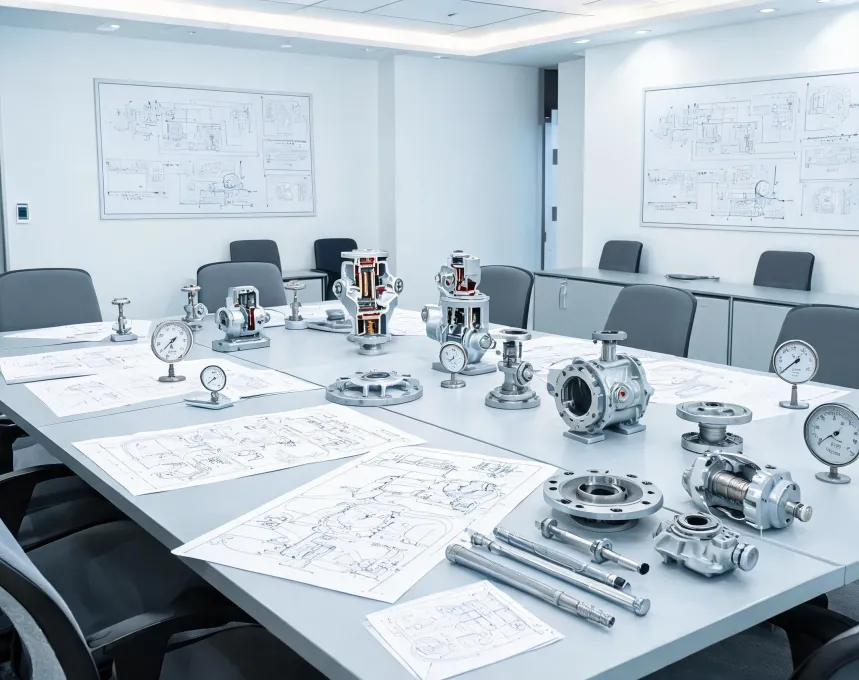
Narrative
The most valuable work at Watts happens before a price line is sent. A buyer may ask for a Watts pressure reducing valve, a 210 valve, a hot water recirculating pump, a water hammer arrestor or a repair kit without knowing which installation detail decides the correct item. The team treats those incomplete requests as a normal part of industrial purchasing rather than a nuisance. They ask about pressure range, fluid service, connection size, pump head, electrical load, body material and replacement urgency, then organize the answer in a way that can move through approval without guesswork.
This approach matters because flow-control products sit inside larger systems. A valve can be small and still critical; a pump can be familiar and still wrong for a specific duty point. Watts keeps the conversation grounded in evidence, including submittal data, installation notes, service kit fit and practical substitution limits. The company culture is therefore less about dramatic branding and more about response discipline. Buyers receive a compact trail of decisions, and engineering teams receive fewer vague substitutions to reject.
Precise intake is the shortest route between an urgent maintenance list and a purchase order that does not create a second problem.
Specifications are written around pressure, flow, head, connection and material rather than broad sales labels.
When an exact model is unavailable, the difference between equivalent, conditional and pending review is made visible.
Short answers, complete attachments and clear next steps help buyers avoid another round of internal chasing.

Impact
In many facilities, the person requesting a valve or pump is not looking for a catalog tour. They are trying to prevent a shutdown, close an inspection item, replace a failed component or standardize spares across several sites. Watts keeps those realities visible. The team can respond to planned projects, urgent replacements and mixed lists without forcing every request into the same format. That flexibility is especially important for water supply rooms, commercial service closets, industrial utility areas and MRO stores where products from different years and suppliers often share the same line.
The result is a brand experience that feels efficient rather than decorative. It gives the maintenance side enough technical structure to trust the recommendation, and it gives the purchasing side enough commercial clarity to move forward. That balance is the reason Watts uses an engineering-clean visual system, compact pages and direct CTAs throughout the site.
Company desk
Share a specification, replacement model or mixed list and the team will identify the data needed for the next quote step.